Gutter Cleaning Hackettstown for Cleaner, More Efficient Gutters
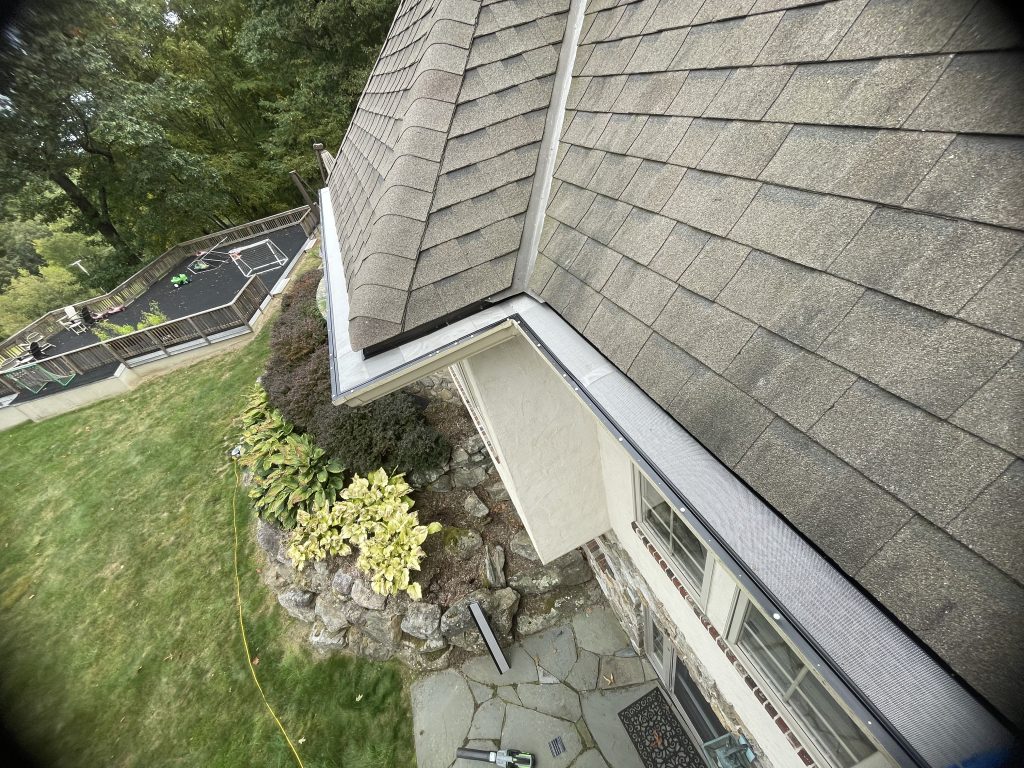

A gutter system does quiet work until it stops working. Then the problems become hard to ignore. Water spills over the front edge during a storm, dark streaks creep down the siding, mulch washes out of flower beds, and a once dry basement corner suddenly feels damp. In a place like Hackettstown, where spring rains can be persistent and fall leaf drop is heavy, gutters need more attention than many homeowners expect.
That is why Gutter Cleaning Hackettstown is not just a seasonal chore. It is basic exterior maintenance that protects roofing, fascia boards, foundations, walkways, and landscaping. Clean gutters move water where it belongs. Clogged gutters hold it in the wrong places, often for weeks at a time, and that is when small maintenance issues turn into expensive repairs.
The homeowners who stay ahead of gutter problems usually are not doing anything complicated. They are simply paying attention to timing, local conditions, and the early signs that a drainage system is starting to fail. A little prevention goes a long way, especially on older homes or properties shaded by mature trees.
What clean gutters actually do for a home
It helps to think of gutters as part of the home’s water management system, not just trim attached to the roofline. Their job is straightforward. They collect rainwater from the roof, channel it into downspouts, and move it away from the structure. When that flow is uninterrupted, several parts of the home stay drier and last longer.
Roof edges benefit first. If debris dams up water in the trough, moisture can back up under shingles or sit against the fascia. Over time, that can soften wood, loosen fasteners, and accelerate rot. Siding is next. Overflowing water tends to leave stains and can work its way behind panels or trim, especially around corners and roof valleys where volume is heaviest.
The ground below matters just as much. When water pours over one section of gutter instead of exiting through downspouts, it pounds the same strip of soil repeatedly. That can carve channels through mulch, expose roots, and saturate the area near the foundation. On sloped lots, the runoff can become even more aggressive. On flatter lots, standing water can linger and create its own set of problems.
A good gutter system also protects winter performance. Once temperatures swing below freezing, trapped water and packed debris can contribute to ice formation. Even modest ice buildup adds weight and stress. In bad cases, sections begin to pull away from the fascia board. By spring, the issue is no longer just cleaning. It becomes repair or replacement.
Why Hackettstown homes need regular gutter attention
Hackettstown has the kind of seasonal pattern that tests gutters year round. Spring often brings frequent rain, pollen buildup, seed pods, and the fine debris that settles into damp gutter bottoms and forms sludge. Summer can add storms that blow twigs and roof granules into the system. Then autumn arrives with the obvious culprit, leaves, and plenty of them if the property has maples, oaks, sycamores, or pines nearby.
Not all debris behaves the same way. Large leaves may sit on top and create a visible blockage. Pine needles are trickier. They weave together, cling to rough surfaces, and often clog elbows and downspout openings. Oak leaves can mat down into a heavy layer that holds water. The result is not always dramatic overflow right away. Sometimes the gutter still drains, just slowly enough that repeated storms push it past capacity.
Local housing stock adds another variable. In many neighborhoods around Hackettstown, you will find a mix of older homes and newer builds, each with its own challenges. Older homes may have smaller gutters, aging hangers, or fascia that has already seen years of moisture exposure. Newer homes may have long roof runs that collect a surprising volume of water during intense rainfall. A gutter that looks fine on a dry day can still be undersized or partially blocked in a storm.
Tree cover is another major factor. Homeowners often assume only heavily wooded lots need frequent service. In practice, one or two overhanging trees can be enough to create recurring problems. Debris does not need a forest to find your gutters. Wind can carry it from neighboring yards, and valleys on the roof tend to funnel everything into the same few sections.
The first signs your gutters are not keeping up
Most gutter systems show distress before they fail completely. The challenge is that people usually notice the obvious signs late. By the time water is pouring over the side, the clog may have been building for months.
Look closely after a moderate rain. If water cascades off one section while the rest of the system appears normal, that usually points to a local blockage or poor pitch. If downspouts drip long after the rain ends, the system may be retaining more debris and water than it should. If you see plants growing from the gutter, the cleanout is overdue by a wide margin.
There are also quieter indicators. Paint peeling near the roofline, rusty screws on gutter brackets, black streaks on siding, or eroded soil below a roof edge all tell a story. So do gutters that sag slightly in the middle or corners where seams stay damp. These are not always catastrophic issues, but they are signs the system is operating under strain.
Inside the house, the clues can be less direct. A musty basement smell after storms, a damp spot along a foundation wall, or recurring ice near entry paths in winter may all connect back to poor drainage at the roofline. Water has a way of taking the path available to it. When gutters fail to guide it, the rest of the property absorbs the consequences.
What happens during a proper cleaning
A real gutter cleaning is more than scooping out leaves. That is the visible part, and it matters, but it is only the start. A thorough service clears all debris from the gutter channels, checks outlets where the gutters meet downspouts, flushes the downspouts to confirm water is moving freely, and inspects the system for separation, sagging, loose fasteners, and early deterioration.
The flushing step is especially important. A gutter can look clear from above while the downspout is packed lower down. This happens often with pine needles, roof grit, and compacted wet leaves. Homeowners who do a quick surface clean sometimes miss that problem, then wonder why water still spills over during the next storm.
The best cleanings also include a visual review of how the system is handling water. Is one section pitched too flat? Are spikes backing out of the fascia? Is runoff discharging too close to the foundation? Is there evidence that roof shingles are shedding granules faster than normal? A technician with experience will notice these details and point them out before they become larger repair items.
That practical eye is one reason professional service can be worth it. The cleaning itself is valuable, but the inspection often saves the bigger money.
How often should gutters be cleaned in Hackettstown?
There is no single schedule that fits every property, but there are reliable patterns. Many homes in Hackettstown do well with cleaning twice a year, typically once in late spring and once in late fall after most leaves have dropped. That schedule covers the heavy debris seasons and keeps water moving before winter freeze cycles set in.
Some homes need more frequent attention. A property with several mature trees overhanging the roof may need service three or even four times a year. Pine-heavy lots often fall into this category because needles accumulate steadily and clog downspouts faster than broad leaves. On the other hand, a house with limited tree cover and well functioning guards may only need occasional inspection and less frequent cleanouts.
Timing matters almost as much as frequency. Cleaning too early in fall can mean doing the work twice if the trees have not finished dropping. Waiting too long into winter is risky because packed debris may already be frozen in place. Spring cleanings work best after seed pods and blossoms have had their say, not at the first warm weekend of the year.
A sensible rule is to match the schedule to the property, not to an arbitrary calendar reminder. Homes tell you what they need if you pay attention to rain performance, surrounding trees, and past buildup.
The common trouble spots homeowners miss
Some gutter sections clog more often than others, and they are not always the ones visible from the driveway. Roof valleys are a frequent source of trouble because they funnel concentrated debris and water into a narrow target area. Even a partially blocked gutter below a valley can overflow quickly during a strong storm.
Inside corners also deserve attention. They tend to collect fine sediment that settles and hardens over time. Once enough material builds up, leaves stick to it more easily and the clog accelerates. The same goes for the opening above the downspout. That transition point is one of the first places debris jams and one of the easiest areas to overlook during a superficial cleanout.
Second story gutters create another blind spot. People naturally monitor the areas they can see from ground level, usually the front of the house. Meanwhile, the rear upper gutters may be carrying most of the runoff and collecting the worst of the debris from nearby trees. By the time an issue becomes visible, water may already have been spilling behind the gutter or soaking the fascia for quite a https://andersonatfr794.almoheet-travel.com/gutter-cleaning-hackettstown-protect-your-home-from-water-damage while.
Detached garages, porch roofs, and additions are often ignored too. These smaller rooflines might seem low risk, but they still direct water toward doors, walkways, and foundations. A clogged small gutter can cause very concentrated overflow in exactly the wrong place.
DIY versus professional cleaning
Many homeowners are capable of cleaning their own gutters, at least in theory. In practice, the difficulty depends on roof height, ladder access, the amount of debris, and the overall condition of the system. A single story ranch with wide, stable access and light buildup is one thing. A two story home with uneven ground, steep landscaping, and slippery packed leaves is something else entirely.
Safety is the first concern. Ladder work sends plenty of people to urgent care every year, often during routine tasks they have done before without issue. Gutter cleaning seems simple until a ladder leg shifts on soft soil, a handful of wet debris throws off balance, or a downspout clog requires more force than expected.
There is also the quality of the result. Homeowners often remove visible leaves and call it done, but the downspouts stay partially blocked and the fine sediment remains in the trough. That sediment matters because it holds moisture against metal and creates the base layer for future clogs. A professional crew usually works faster, flushes more thoroughly, and spots failing components that a homeowner focused on the immediate mess may not notice.
That said, not every home requires a service call every time. Some owners do an occasional visual inspection and leave the more demanding cleanings to a pro. Others combine regular light maintenance with a professional visit once a year for a more complete reset. The right approach depends on physical ability, comfort with ladders, and how complex the home’s roofline is.
When gutter guards help, and when they disappoint
Gutter guards are often marketed as a nearly permanent answer, but real life is more nuanced. Guards can reduce the volume of large debris entering the gutters, and in certain settings they work well enough to extend the interval between cleanings. They are especially helpful on homes where large leaves are the main problem and the gutters are otherwise properly pitched and sized.
They are not magic. Fine debris still finds a way in, especially pollen, roof grit, maple seeds, and pine needles. Some guards shed debris nicely in light conditions but struggle where valleys dump heavy water and leaves into one spot. Others make future cleaning more cumbersome because sections need to be removed for proper access.
The bigger issue is expectation. Many homeowners hear “maintenance free” and stop checking the system altogether. That is when guards become part of the problem. Water can skim over clogged screens. Debris can accumulate on top and block flow at the edge. In winter, certain designs can also interact poorly with ice.
Guards are best seen as a tool, not a replacement for observation. They may reduce labor, but they do not eliminate the need to inspect how water is moving during and after storms.
Cost, value, and what homeowners are really paying for
Pricing for gutter cleaning varies by home size, height, accessibility, gutter length, and the severity of the buildup. A simple single story cleanout on a clear lot will naturally cost less than a two story house with steep sections and heavy debris packed into every downspout. Repairs, guard removal, and disposal can also affect the final number.
What homeowners are really paying for is not just debris removal. They are paying for safer access, faster completion, and a trained set of eyes on a drainage system that can quietly damage expensive parts of the house when neglected. When compared with fascia repair, foundation water issues, or repeated landscaping washout, routine cleaning is usually one of the better maintenance values on the exterior.
It is also worth considering the less visible savings. Clean gutters reduce splashback on siding, lower the chance of ice related stress in winter, and help downspout extensions do their job effectively. A home that sheds water well tends to have fewer mystery moisture issues around entries, basement walls, and planting beds.
For sellers, there is another angle. Overflow stains, sagging sections, and obvious gutter neglect can make buyers question what else has been deferred. Freshly cleaned, properly functioning gutters may not wow anyone on a tour, but neglected ones absolutely draw the wrong kind of attention.
A practical maintenance rhythm that works
For most homeowners, the best results come from a simple, repeatable routine rather than emergency response. You do not need to obsess over the gutters after every drizzle, but you should know how the system behaves during a real rain and check it at sensible intervals.
A useful rhythm looks like this:
- Inspect gutters visually in spring and again in late fall.
- Watch at least one steady rainfall each season to spot overflow or slow downspouts.
- Clean sooner if trees overhang the roof or if pine needles are a constant issue.
- Address loose hangers, sagging runs, or leaky seams before the next heavy storm.
- Make sure downspouts discharge far enough from the foundation to matter.
That short routine catches most developing problems before they become expensive. The key is consistency. Gutters do not usually fail overnight. They decline in small increments, then reveal the issue during the worst possible weather.
Why efficiency matters just as much as cleanliness
A gutter can be free of leaves and still work poorly. Efficiency comes from proper pitch, open downspouts, secure attachment, and discharge that carries water far enough away from the structure. This is where homeowners sometimes get tripped up. They clean the gutters, see less debris, and assume the job is done, but the water still pools in one section or exits too close to the house.
Cleaner gutters are part of the equation. More efficient gutters are the goal. Efficiency means the system handles both ordinary rain and heavier storms without backing up. It means one corner is not carrying all the runoff because another section is pitched wrong. It means a long downspout run is not clogged at the bottom elbow where no one thought to look.
This distinction matters in Hackettstown because weather does not always arrive gently. A gutter that barely manages light rain may fail dramatically in a summer downpour or during a storm that follows several days of wet debris buildup. Efficient systems have margin. They keep working when conditions are less than ideal.
Choosing help you can trust
If you are hiring out the work, communication is a good sign of professionalism. A solid service provider should be able to explain what is included, how they handle downspout clogs, whether they inspect for loose or damaged sections, and what they will tell you if they find a repair issue. Vague promises are less useful than clear process.
It also helps when the person doing the work understands local conditions. Gutter Cleaning Hackettstown is not exactly the same as gutter cleaning in a less wooded or drier area. Leaf type, roofline style, storm patterns, and seasonal timing all affect what the system needs. Experience shows up in small decisions, such as knowing when a gutter needs another flush, recognizing fascia staining that suggests chronic overflow, or recommending an additional cleaning on pine heavy lots before winter.
Good service is not about making the job sound more dramatic than it is. It is about handling it thoroughly, safely, and with enough judgment to catch problems early.
The payoff of staying ahead of it
Home maintenance is full of tasks that feel optional until they are not. Gutters fall squarely into that category. They are easy to ignore because most of the time they sit overhead doing their job out of sight. Yet few exterior systems affect so many parts of the home when they stop performing.
Keeping them clean is one of the simpler ways to protect larger investments. It preserves roof edges, helps foundations stay drier, reduces siding stains, limits landscape erosion, and supports safer winter conditions around the home. It also removes one of the common causes of “mystery water” that sends homeowners looking in all the wrong places.
For Hackettstown properties, where changing seasons bring steady debris and real weather swings, that upkeep matters. Cleaner gutters are not just neater. They are more efficient, more reliable, and far less likely to turn the next heavy rain into a repair bill.
Just Gutters LLC
Address: 262 Main St, Hackettstown, NJ 07840
Phone number: +12013319454
FAQ About Gutter Cleaning Hackettstown
How much should a gutter clean cost?
Professional gutter cleaning typically costs between $163 and $333, with a national average of around $210 to $250 for a standard-sized home.
What months should you clean gutters?
You should clean your gutters twice a year—once in late autumn (November to December) and once in late spring (April to May).
Is it worth paying for gutter cleaning?
Yes, paying for gutter cleaning is worth it because it prevents thousands of dollars in water damage, roof leaks, and structural repairs.